German composers who mastered the art of the Baroque cantata
While Johann Sebastian Bach (1685–1750) is a household name today, his contemporary Georg Philipp Telemann (1681–1767) was more famous in their time. Both Bach and Telemann were talented performers as well as prolific composers who mastered many styles, including the cantata, a large-scale musical work performed to commemorate important events in Lutheran communities in the early 18th century.
Bach and Telemann as Friends and Contemporaries
Bach and Telemann both spent part of their careers in Leipzig. After a series of other positions, Bach was appointed music director for the churches in Leipzig and employed at St. Thomas’s. He worked in Leipzig for 27 years. In 1701, Telemann went to the University of Leipzig to study law, but his musical interests soon overshadowed everything else. He founded the Leipzig Collegium Musicum (a group later led by Bach) and was music director of Leipzig’s opera house.
After leaving Leipzig four years later, Telemann took a series of other posts, including Konzertmeister at the Saxe-Eisenach court. It seems likely that he met J.S. Bach during this time. By 1714, when Telemann stood as godfather for C.P.E. Bach, the two were certainly friends. In 1721, Telemann was named cantor of Johanneum Lateinschule and director musicus in Hamburg, and, although he held this post for the rest of his life, there was a point when he considered returning to Leipzig. When a position at St. Thomas’s became available in 1722, Telemann applied and was the unanimous choice of the selection committee. Telemann turned down the Leipzig position, and it was eventually offered to Bach.
Musical Connections Between Bach and Telemann
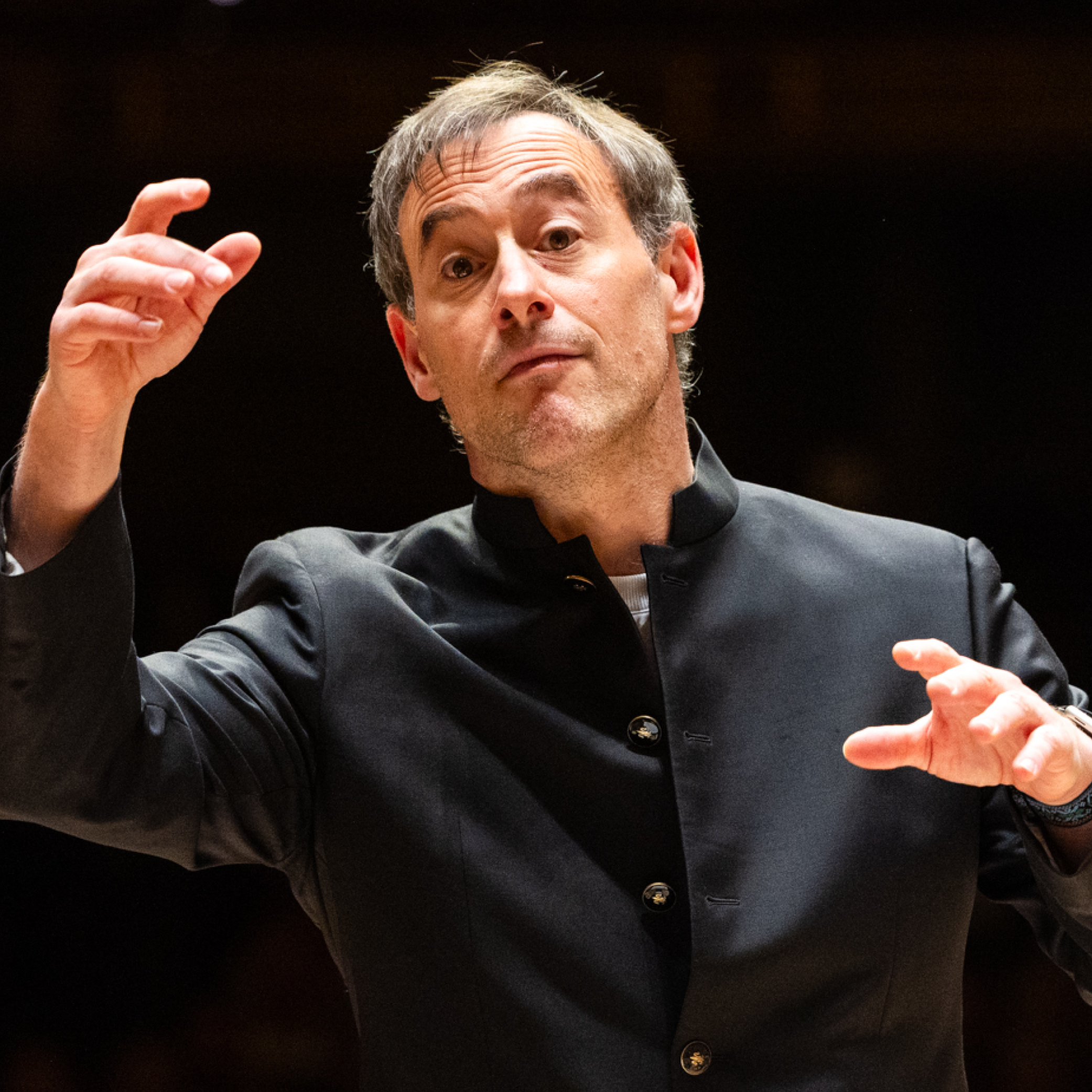
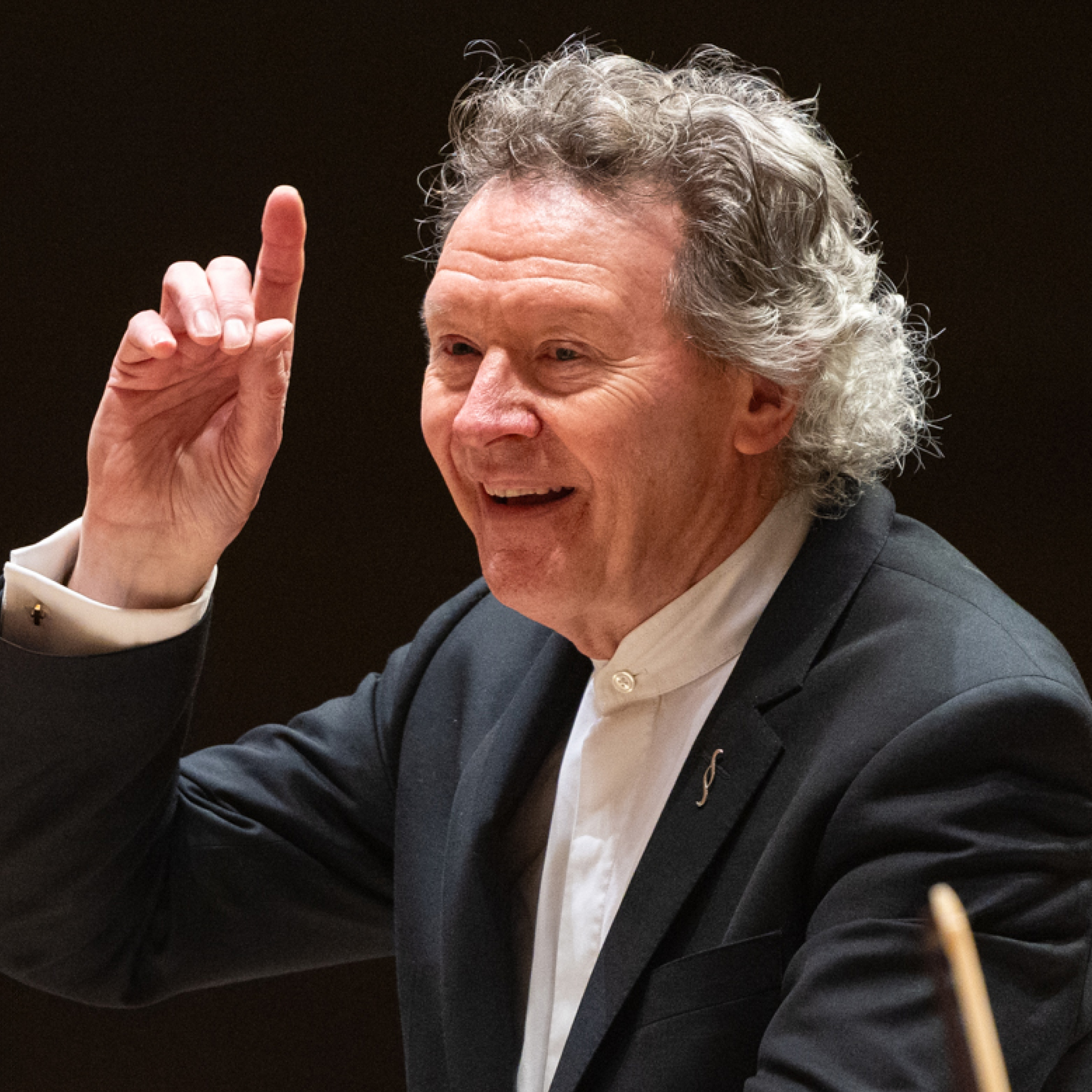
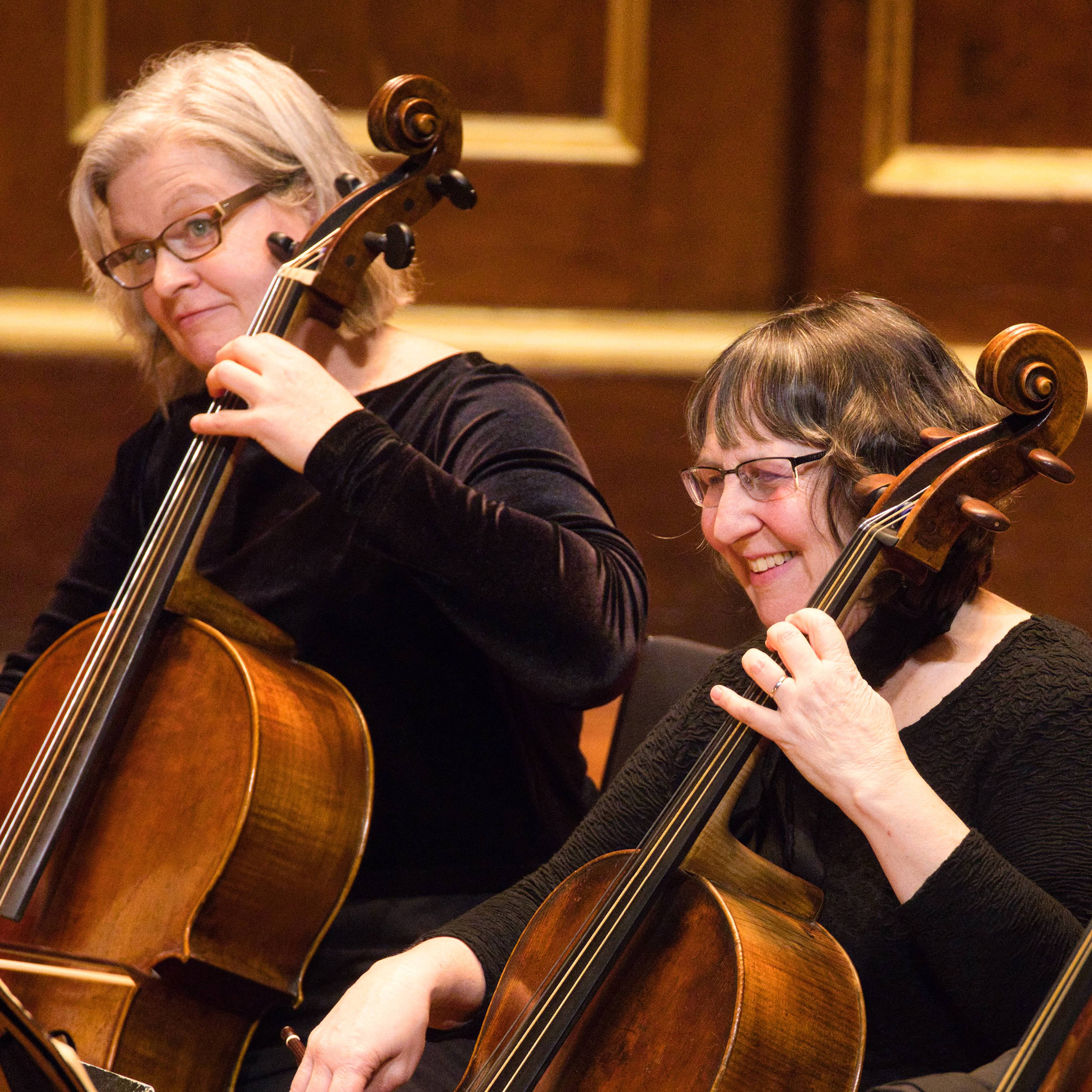
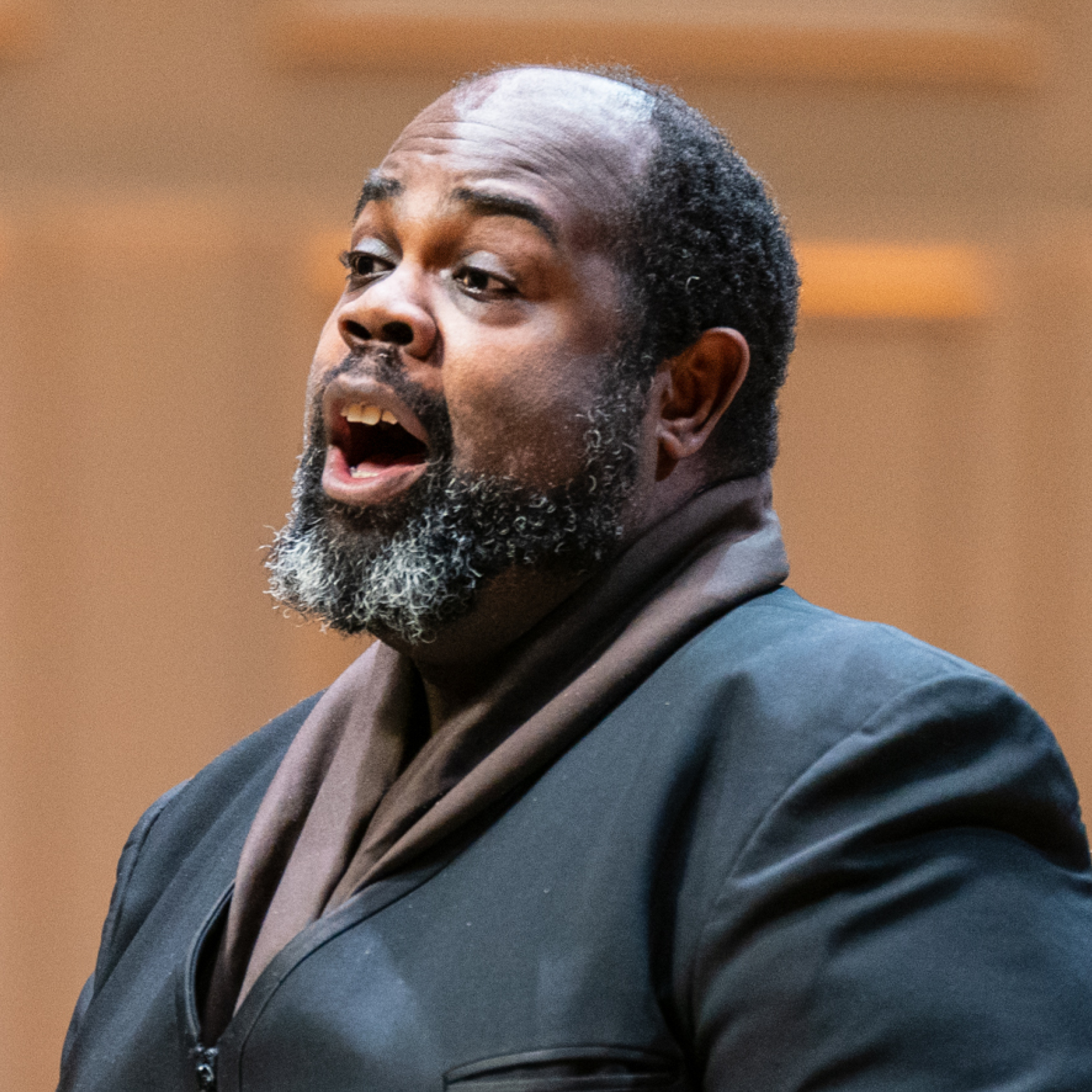
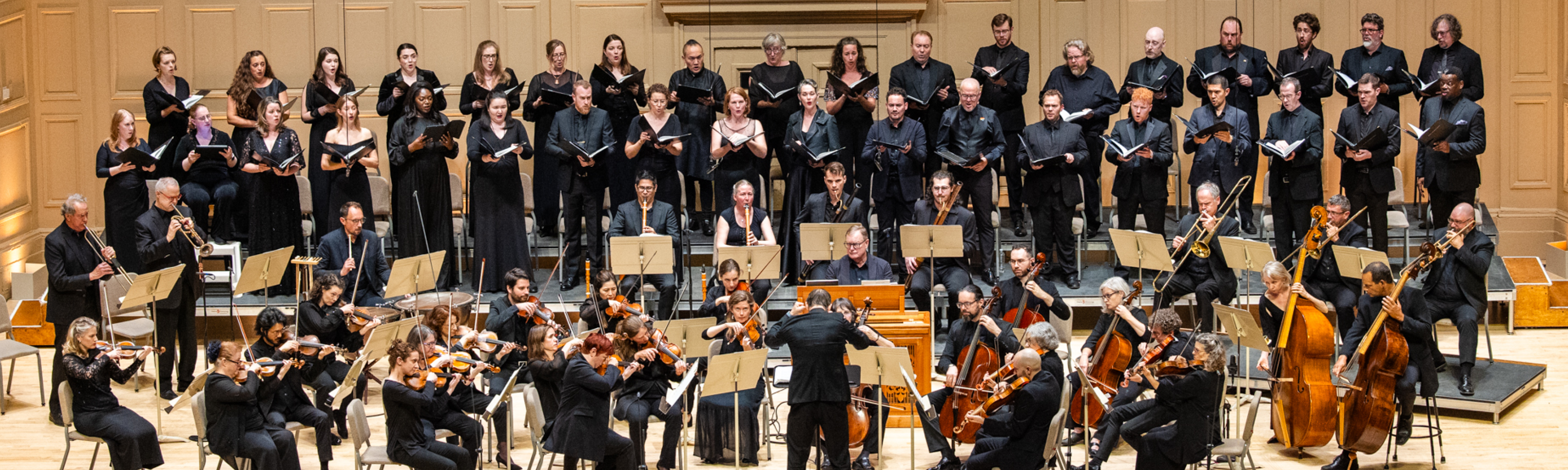
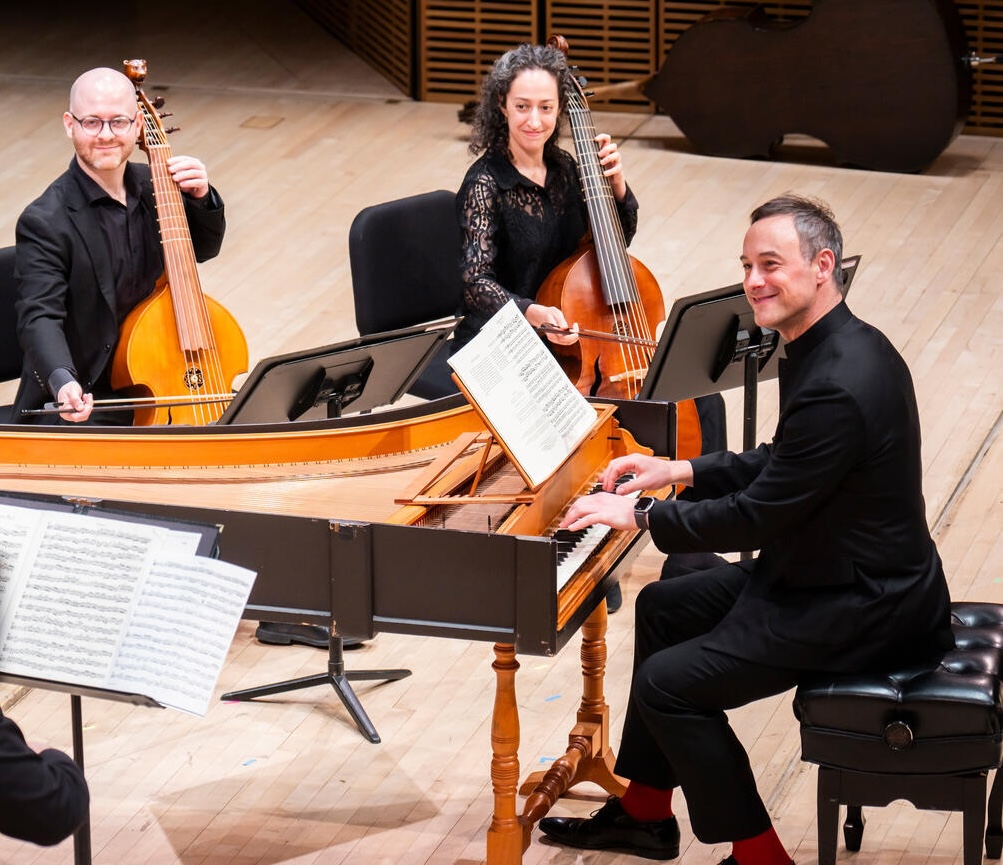
During the 2026-27 Season, H+H made its Carnegie Hall debut with a program of Bach + Telemann cantatas that was also performed in Boston. The two funeral cantatas, one by Bach and the other by Telemann, express the pain of loss and the hope of consolation through exquisite musical ideas. In addition, both are scored for viola da gamba, an instrument whose rich tone color blends beautifully with both the voice and other instruments. A sense of hope and fulfillment also pervades Bach’s Easter cantata, which is based on a Lutheran hymn. Bach and Telemann bring deeper meaning to their texts by highlighting and emphasizing specific words and phrases. Each of these cantatas abound with memorable lines for both voices and instruments; this is music that stays with the listener.
Teresa M. Neff
Continue the Legacy of Bach and Telemann with H+H
On January 29 + 30, H+H will premiere a new Baroque inspired cantata that explores love and belonging. Learn more about this work and H+H’s 2026-27 Season of music here.